When Chests Rain Tons of Loot Cards Guide
Collect the album, sleeve for synergy, and stop slotting bonuses that fight your army plan.
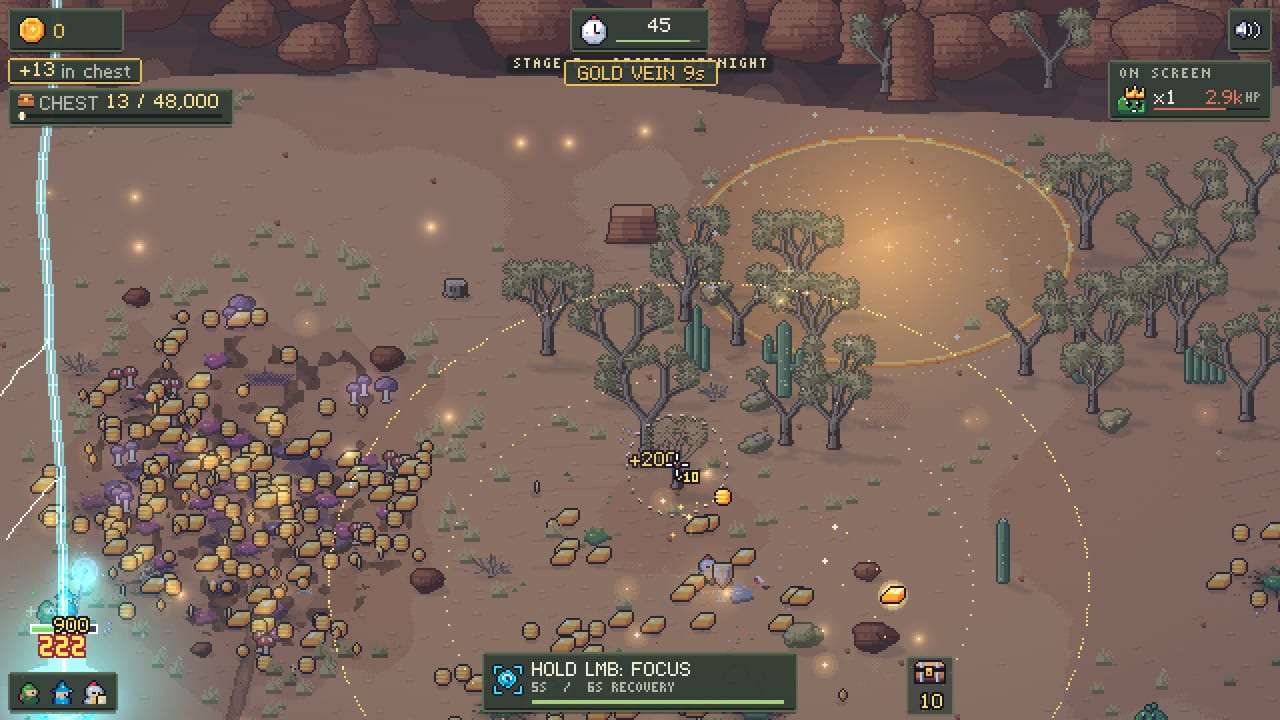
Cards are the collectible multiplier layer in When Chests Rain Tons of Loot. Alongside the forge and war-band gear, they let you sleeve bonuses that reshape how Archers, Thunder Mages, and the Barbarian convert slime fields into chest gold. This guide explains album collecting, sleeve philosophy, synergy archetypes (including Royal Jelly–style multiplier examples without inventing a full spoiler list), and how cards meet Silver, Gold, and Diamond marks. Parent hub: Tools. Pair with Forge and Gear and loot and chest.
What the album is for
Runs drop or reveal cards that fill an album. Collection progress is its own carrot—demo achievements even celebrate finding your first card—but the power spike arrives when you slot cards into active sleeves for a run. Empty album pages are knowledge; filled sleeves are builds.
Do not treat every new card as an automatic equip. Read the bonus, ask whether it helps your drop plan, and only then displace a weaker sleeve. Novelty without synergy is how Diamond pushes stall.
Sleeve philosophy
Build sleeves the way you build the army: one clear story.
Pack storm story. Barbarian packs + Thunder Mage carpets love AOE, multi-kill, chain, and “bonus when many enemies are close” effects. Royal Jelly–style cards—bonuses that feel like sticky multipliers on crowded boards—are the poster children of this fantasy. Slot two or three that reinforce the same crowded-board idea instead of one AOE card plus a random single-target oddity.
Archer highway story. Volume fire loves attack speed, projectile extras, and gold-per-hit styles. Cards that reward consistent uptime beat cards that only spike once per land.
Chest economist story. Some sleeves raise loot quality, grab radius, or chest fill rate. Equip them when your kills are fine but marks lag—especially while learning to hit Gold and Diamond before the timer.
Boss stabilizer story. Survivability, add-phase burst, or conditional defenses help on Queen Gloop, Mossback, and later land bosses. Swap them in for boss attempts; swap back for pure farm if needed.
Cross-check hero roles on the Army Hub and tier list so sleeves match who you actually drop.
Synergy with forge gear
Cards should echo war-band items, not cancel them. If trinkets already scream multi-kill gold, sleeve chest or AOE cards rather than a conflicting niche. If you gambled a high refine on a mage weapon, protect that identity with lightning or area sleeves instead of reinventing the build mid-camp. Refine risk details stay in forge and gear.
Skill-tree permanent nodes still come first for raw hero count. Cards shine after the army exists; they are seasoning, not the meal. See skill tree.
Collecting without spoiling every page
Play lands, finish runs, and chase surprises—Golden Slimes, Slime Rain, Treasure Goblins, Mimics—because variety raises what the album can show you. This guide intentionally avoids fabricating a complete card checklist. Names, rarities, and exact numbers will shift with patches; Steam news remains the authority. What stays stable is the slotting logic: stack compatible bonuses, cut conflicts, measure success by chest marks and boss clears.
When a card’s text mentions jelly, royal buffs, or similar gooey multipliers, treat it as a crowded-board or loot-multiplier hint and test it inside the pack storm story before declaring it mandatory.
Run workflow
- Pick the run goal: early gold, Diamond farm, or boss land.
- Choose a sleeve story that matches that goal.
- Equip forge gear that tells the same story.
- Drop heroes accordingly—Archers for coverage, Barbarian for packs and cries, mages for blobs.
- Scoop loot, watch chest marks, play the rain.
- Afterward, note which sleeves never triggered and replace them.
Controls stay simple (LMB, WASD, right-drag, O); the skill is in camp decisions before the timer starts.
Common mistakes
- Slotting six unrelated tiny bonuses because each looked rare.
- Leaving farm sleeves on during a brutal boss land.
- Ignoring album progress entirely and wondering why multipliers feel flat.
- Chasing every event card fantasy while the chest never leaves Silver.
- Changing all sleeves and all forge pieces in the same breath so you cannot tell what worked.
Measuring whether a sleeve is good
Ask after the rain:
- Did I reach a higher chest mark than usual?
- Did packs die faster when the Barbarian set them up?
- Did boss adds collapse when mages landed?
- Did I still have time to scoop?
If the answers are no, the card is not “bad forever”—it is wrong for this story. Park it in the album and try a tighter set.
After updates and DLC
Balance patches may retune card odds or effects; skim Updates and the Steam news hub. Sandbox & Looks DLC focuses on sandbox toys and cosmetics—fun, but not a replacement for coherent sleeves in the base combat loop.
Cards exist to make the army’s plan louder. Sleeve the story you intend to play, then let the chest rain prove it.
Frequently Asked Questions
Quick answers to the most common questions.
Should I equip every new card I find?
No. Add a card only when its bonus fits the run story you already planned with heroes and gear.
What are Royal Jelly style cards?
Shorthand for multiplier-style bonuses that reward crowded boards or sticky loot buffs—use them in pack-focused builds, not as a full spoiler list.
Do cards replace the forge?
No. Cards and war-band gear should reinforce the same plan while the skill tree provides permanent foundations.
How do I know a sleeve set worked?
Higher chest marks, faster packed clears, cleaner boss adds, and enough time to loot the final rain.